Buy motivationmagazin.eu ?
We are moving the project
motivationmagazin.eu .
Are you interested in purchasing the domain
motivationmagazin.eu ?
domain@kv-gmbh.de · 0541-91531010
Buy motivationmagazin.eu ?
When do you conjugate "avoir"?
The verb "avoir" is conjugated when talking about possession or to form compound tenses such as the passé composé. In these cases, "avoir" is conjugated according to the subject of the sentence. For example, "J'ai un chat" (I have a cat) or "Nous avons mangé" (We have eaten). **
How do you conjugate falloir?
The verb "falloir" is an impersonal verb, meaning it is only used in the third person singular. It is conjugated as "il faut" in the present tense, "il fallait" in the imperfect tense, and "il faudra" in the future tense. There is no need to conjugate it for different subjects, as it always remains in the third person singular form. **

Similar search terms for Conjugate
Top-Angebote
Products related to Conjugate:
-
Juicy Couture Wellness MatsMake time in the kitchen more comfortable with the Juicy Couture Wellness Mat. Cushioned anti-fatigue support helps ease pressure during meal prep and cleanup, while the skid-resistant backing helps the mat stay in place.28,99 $*Shipping: 0,00 $Secure redirect to the provider
-
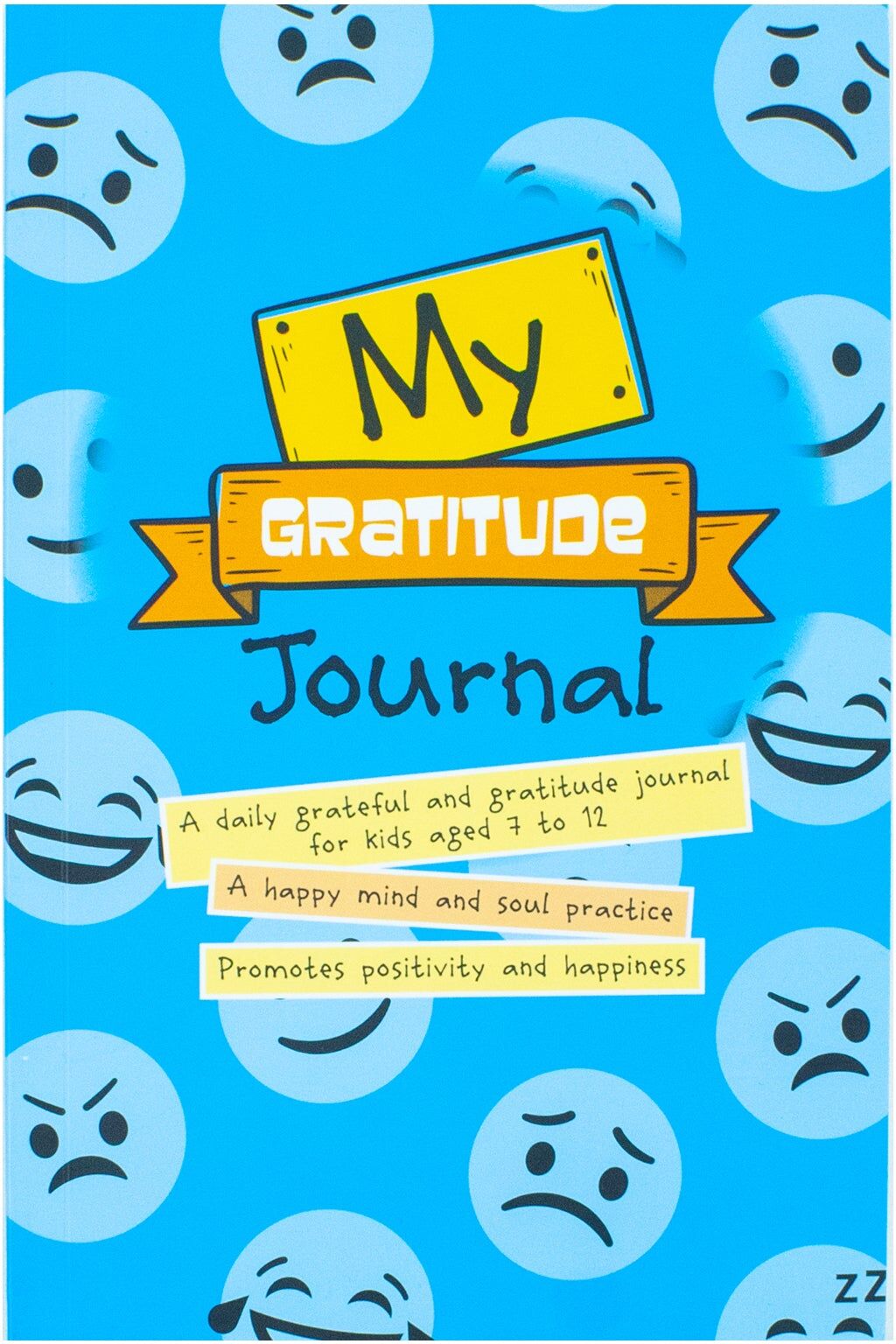
IT 4 Consultancy FZCO My Gratitude Journal: A happy mind and soul practice & promoted positivity and happinessEvery day, wonderful things happen! Noting them and recording them can help you to appreciate everything that is good in your life and feel grateful for it. That in turn makes you feel happy and positive. My gratitude Journal will help you to keep track of all the amazing, remarkable and truly gratifying things in your life.1,99 £*Shipping: 1,99 £Secure redirect to the provider
-
Summersdale Publishers Inspiration: Thoughts and Quotations for Every DayImmerse yourself in the words of the world’s best writers, leaders and thinkers with this beautiful book of motivational words and quotes. Inspire your heart, free your mind, and bask in the glow of positive thinking.4,99 £*Shipping: 1,99 £Secure redirect to the provider
-
HQ You Are Not a Before Picture Book by Alex Light – Inspirational Guide to Self-Acceptance & Body PositivityAn urgent, enlightening and empowering guide to disavowing diet culture and learning to make peace with our bodies, from body confidence and anti-diet advocate, Alex Light. When we look in the mirror, so many of us see a 'before' picture: the miserable person in the side-by-side shot waiting for the 'glow-up' (read: weight loss) that will bring true happiness. But it's not our fault that we see our bodies as projects in need of constant work: this is just one of the beliefs that has been ingrained in us by diet culture. We have been taught to view ourselves as a collection of 'problem' areas for which the billion-dollar diet industry holds the solutions. Step-by-step, You Are Not A Before Picture provides a framework for changing the way we view ourselves and the world around us. Working with experts in the fields of psychotherapy, fitness and nutrition, Alex empowers readers to interrogate their underlying beliefs, challenge the external and internal forces that are holding us back, and finally find freedom in our bodies, for good. Alex Light was a number 4 Sunday Times Non Fiction bestseller in the w/e June 19th 202214,99 £*Shipping: 2,99 £Secure redirect to the provider



-
How do you conjugate in Hebrew?
In Hebrew, verbs are conjugated based on the subject of the sentence and the tense of the action. There are different conjugation patterns for each tense (past, present, future) and for each subject (I, you, he/she/it, we, you all, they). The verb root remains the same, but the conjugation changes to match the subject and tense. Additionally, Hebrew verbs also change based on gender and number of the subject. Learning the conjugation patterns and practicing with different verbs is essential for mastering Hebrew verb conjugation. **
-
How do you conjugate French adjectives?
In French, adjectives must agree in gender (masculine or feminine) and number (singular or plural) with the noun they modify. To conjugate a French adjective, you need to add the appropriate ending to match the gender and number of the noun it describes. For example, to make the adjective "petit" (small) agree with a masculine singular noun, you would use "petit." But if the noun is feminine singular, you would use "petite." And for a masculine plural noun, you would use "petits," and for a feminine plural noun, you would use "petites." **
-
Can you help me conjugate avoir?
Sure! The verb "avoir" is conjugated as follows: - J'ai (I have) - Tu as (You have) - Il/Elle/On a (He/She/One has) - Nous avons (We have) - Vous avez (You have) - Ils/Elles ont (They have) **
-
How do you conjugate in French?
In French, verbs are conjugated to match the subject of the sentence, including the person (I, you, he/she, we, they) and the tense (present, past, future, etc.). To conjugate a regular verb in the present tense, you remove the infinitive ending (-er, -ir, -re) and add the appropriate ending for the subject (je, tu, il/elle, nous, vous, ils/elles). For example, for the verb "parler" (to speak), you would conjugate it as "je parle" (I speak), "tu parles" (you speak), "il/elle parle" (he/she speaks), "nous parlons" (we speak), "vous parlez" (you speak), "ils/elles parlent" (they speak). Irregular verbs have their own unique conjugation patterns that need to be memorized. **


How do you conjugate "perire" in Latin?
The verb "perire" in Latin is conjugated as follows in the present tense: - I perish: pereo - You perish: peris - He/she/it perishes: perit - We perish: perimus - You (plural) perish: peritis - They perish: pereunt **
How do you conjugate "pleuvoir" in French?
The verb "pleuvoir" is an irregular verb in French, so its conjugation does not follow the regular patterns. In the present tense, it is conjugated as follows: "il pleut" (it is raining). In the past tense, it is conjugated as "il a plu" (it rained). In the future tense, it is conjugated as "il pleuvra" (it will rain). **
Top-Angebote
Products related to Conjugate:
-
Uplifted Finds The Control Circle Archetype Social Worker Empowerment Canvas Executive Office & Wellness Sanctuary Decor 13 X 18 Cm No Frame"Inaugurate a grounding ""MindfulnessSanctuary"" energy in your environment with our ""Control Circle"" Archetype Canvas. This premium Social Worker and Mental Health professional print is the ultimate designer solution for creating a ""ClinicalModern"" or..."41,97 $*Shipping: 0,00 $Secure redirect to the provider
-
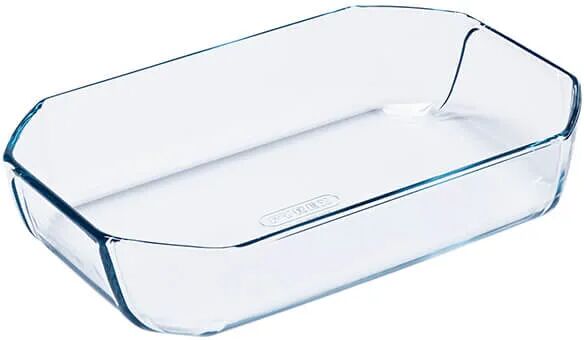
Pyrex Inspiration 35 x 22cm Rectangular RoasterThe Pyrex Inspiration Rectangular Roaster is made from high borosilicate glass that is thermal shock resistant up to 220°C. The geometric shape of the eye catching design features integrated handles ideal for serving oven baked meals and has a 10 year guarantee. This glass Roaster can store food in the fridge and freezer for easy food preparation. The Pyrex Inspiration Rectangular Roaster is 35 x 22cm.16,19 £*Shipping: 3,50 £Secure redirect to the provider
-
Juicy Couture Wellness MatsMake time in the kitchen more comfortable with the Juicy Couture Wellness Mat. Cushioned anti-fatigue support helps ease pressure during meal prep and cleanup, while the skid-resistant backing helps the mat stay in place.28,99 $*Shipping: 0,00 $Secure redirect to the provider
-
IT 4 Consultancy FZCO My Gratitude Journal: A happy mind and soul practice & promoted positivity and happinessEvery day, wonderful things happen! Noting them and recording them can help you to appreciate everything that is good in your life and feel grateful for it. That in turn makes you feel happy and positive. My gratitude Journal will help you to keep track of all the amazing, remarkable and truly gratifying things in your life.1,99 £*Shipping: 1,99 £Secure redirect to the provider
-
When do you conjugate "avoir"?
The verb "avoir" is conjugated when talking about possession or to form compound tenses such as the passé composé. In these cases, "avoir" is conjugated according to the subject of the sentence. For example, "J'ai un chat" (I have a cat) or "Nous avons mangé" (We have eaten). **
-
How do you conjugate falloir?
The verb "falloir" is an impersonal verb, meaning it is only used in the third person singular. It is conjugated as "il faut" in the present tense, "il fallait" in the imperfect tense, and "il faudra" in the future tense. There is no need to conjugate it for different subjects, as it always remains in the third person singular form. **
-
How do you conjugate in Hebrew?
In Hebrew, verbs are conjugated based on the subject of the sentence and the tense of the action. There are different conjugation patterns for each tense (past, present, future) and for each subject (I, you, he/she/it, we, you all, they). The verb root remains the same, but the conjugation changes to match the subject and tense. Additionally, Hebrew verbs also change based on gender and number of the subject. Learning the conjugation patterns and practicing with different verbs is essential for mastering Hebrew verb conjugation. **
-
How do you conjugate French adjectives?
In French, adjectives must agree in gender (masculine or feminine) and number (singular or plural) with the noun they modify. To conjugate a French adjective, you need to add the appropriate ending to match the gender and number of the noun it describes. For example, to make the adjective "petit" (small) agree with a masculine singular noun, you would use "petit." But if the noun is feminine singular, you would use "petite." And for a masculine plural noun, you would use "petits," and for a feminine plural noun, you would use "petites." **
Similar search terms for Conjugate
-
Summersdale Publishers Inspiration: Thoughts and Quotations for Every DayImmerse yourself in the words of the world’s best writers, leaders and thinkers with this beautiful book of motivational words and quotes. Inspire your heart, free your mind, and bask in the glow of positive thinking.4,99 £*Shipping: 1,99 £Secure redirect to the provider
-
HQ You Are Not a Before Picture Book by Alex Light – Inspirational Guide to Self-Acceptance & Body PositivityAn urgent, enlightening and empowering guide to disavowing diet culture and learning to make peace with our bodies, from body confidence and anti-diet advocate, Alex Light. When we look in the mirror, so many of us see a 'before' picture: the miserable person in the side-by-side shot waiting for the 'glow-up' (read: weight loss) that will bring true happiness. But it's not our fault that we see our bodies as projects in need of constant work: this is just one of the beliefs that has been ingrained in us by diet culture. We have been taught to view ourselves as a collection of 'problem' areas for which the billion-dollar diet industry holds the solutions. Step-by-step, You Are Not A Before Picture provides a framework for changing the way we view ourselves and the world around us. Working with experts in the fields of psychotherapy, fitness and nutrition, Alex empowers readers to interrogate their underlying beliefs, challenge the external and internal forces that are holding us back, and finally find freedom in our bodies, for good. Alex Light was a number 4 Sunday Times Non Fiction bestseller in the w/e June 19th 202214,99 £*Shipping: 2,99 £Secure redirect to the provider
-
Uplift Essentials 8 Piece Professional Cat Grooming & Wellness Kit 8 Piece Professional Cat Grooming & Wellness KitMaster your pets hygiene at home with a comprehensive, salonquality toolset. This 8Piece Cat Beauty Kit is a professionalgrade collection designed to handle everything from daily deshedding and nail maintenance to deepcleaning baths. Featuring a...62,97 $*Shipping: 0,00 $Secure redirect to the provider
-
Can you help me conjugate avoir?
Sure! The verb "avoir" is conjugated as follows: - J'ai (I have) - Tu as (You have) - Il/Elle/On a (He/She/One has) - Nous avons (We have) - Vous avez (You have) - Ils/Elles ont (They have) **
-
How do you conjugate in French?
In French, verbs are conjugated to match the subject of the sentence, including the person (I, you, he/she, we, they) and the tense (present, past, future, etc.). To conjugate a regular verb in the present tense, you remove the infinitive ending (-er, -ir, -re) and add the appropriate ending for the subject (je, tu, il/elle, nous, vous, ils/elles). For example, for the verb "parler" (to speak), you would conjugate it as "je parle" (I speak), "tu parles" (you speak), "il/elle parle" (he/she speaks), "nous parlons" (we speak), "vous parlez" (you speak), "ils/elles parlent" (they speak). Irregular verbs have their own unique conjugation patterns that need to be memorized. **
-
How do you conjugate "perire" in Latin?
The verb "perire" in Latin is conjugated as follows in the present tense: - I perish: pereo - You perish: peris - He/she/it perishes: perit - We perish: perimus - You (plural) perish: peritis - They perish: pereunt **
-
How do you conjugate "pleuvoir" in French?
The verb "pleuvoir" is an irregular verb in French, so its conjugation does not follow the regular patterns. In the present tense, it is conjugated as follows: "il pleut" (it is raining). In the past tense, it is conjugated as "il a plu" (it rained). In the future tense, it is conjugated as "il pleuvra" (it will rain). **
* All prices are inclusive of VAT and, if applicable, plus shipping costs. The offer information is based on the details provided by the respective shop and is updated through automated processes. Real-time updates do not occur, so deviations can occur in individual cases. ** Note: Parts of this content were created by AI.