Buy motivationmagazin.eu ?
We are moving the project
motivationmagazin.eu .
Are you interested in purchasing the domain
motivationmagazin.eu ?
domain@kv-gmbh.de · 0541-91531010
Buy motivationmagazin.eu ?
What are biblical archetypes?
Biblical archetypes are recurring symbols, characters, or themes found throughout the Bible that represent universal human experiences, emotions, or truths. These archetypes often serve as a model or pattern for understanding and interpreting the world and our own lives. Examples of biblical archetypes include the hero, the villain, the journey, the sacrifice, and the redemption, which can be found in various stories and characters throughout the Bible. These archetypes provide a framework for understanding the human condition and the spiritual journey. **
What are the archetypes of C.G. Jung?
C.G. Jung identified several archetypes that he believed were universal symbols or themes that appear in the collective unconscious of all people. Some of the key archetypes include the persona (the social mask we present to the world), the shadow (the darker, unconscious side of our personality), the anima/animus (the feminine and masculine aspects within each individual), the self (the striving for wholeness and integration), and the hero (the figure who overcomes challenges and achieves greatness). Jung believed that recognizing and integrating these archetypes into our consciousness could lead to personal growth and self-realization. **

Similar search terms for Archetypes
Top-Angebote
Products related to Archetypes:
-
Pyrex Inspiration 35 x 22cm Rectangular RoasterThe Pyrex Inspiration Rectangular Roaster is made from high borosilicate glass that is thermal shock resistant up to 220°C. The geometric shape of the eye catching design features integrated handles ideal for serving oven baked meals and has a 10 year guarantee. This glass Roaster can store food in the fridge and freezer for easy food preparation. The Pyrex Inspiration Rectangular Roaster is 35 x 22cm.16,19 £*Shipping: 3,50 £Secure redirect to the provider
-
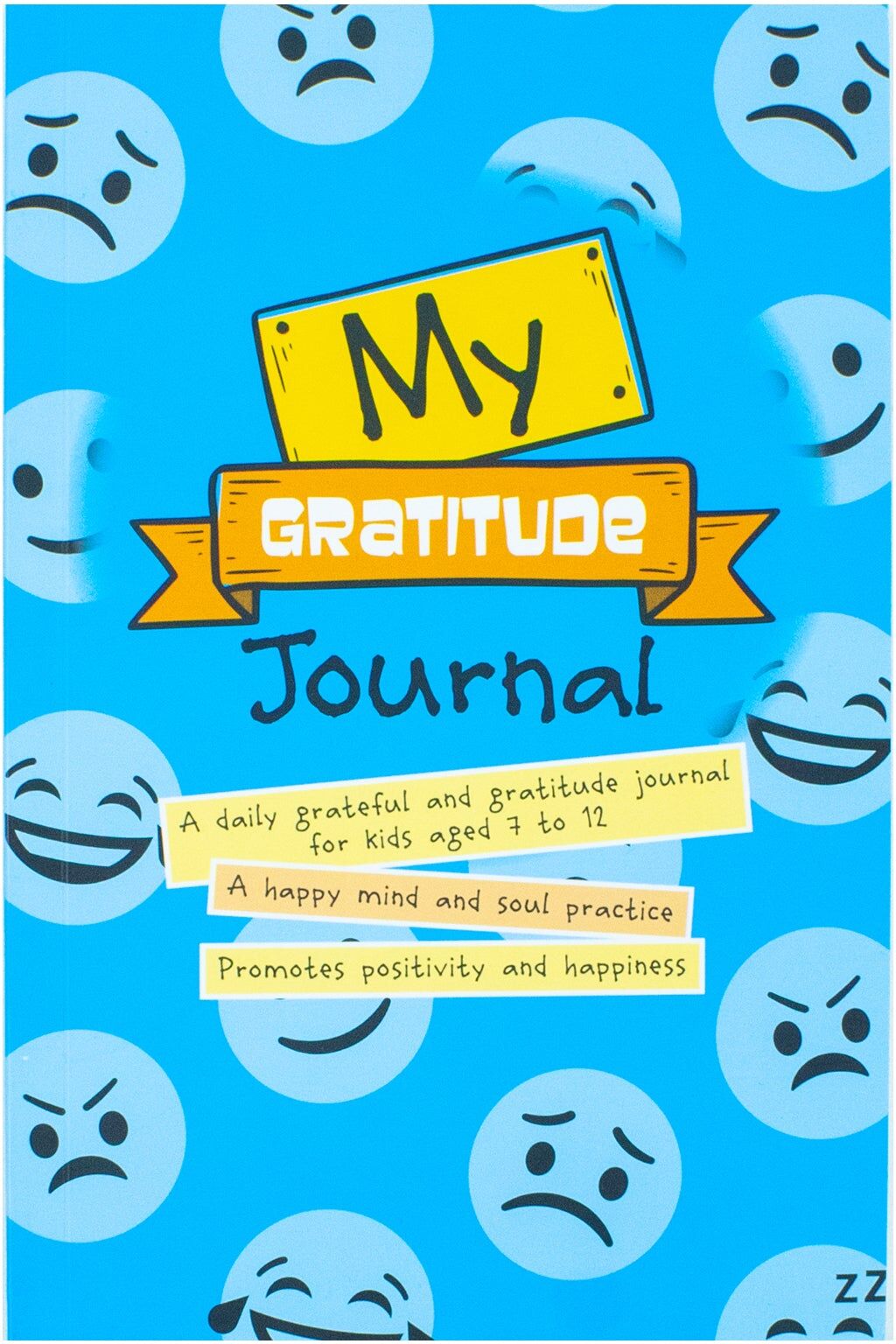
IT 4 Consultancy FZCO My Gratitude Journal: A happy mind and soul practice & promoted positivity and happinessEvery day, wonderful things happen! Noting them and recording them can help you to appreciate everything that is good in your life and feel grateful for it. That in turn makes you feel happy and positive. My gratitude Journal will help you to keep track of all the amazing, remarkable and truly gratifying things in your life.1,99 £*Shipping: 1,99 £Secure redirect to the provider
-
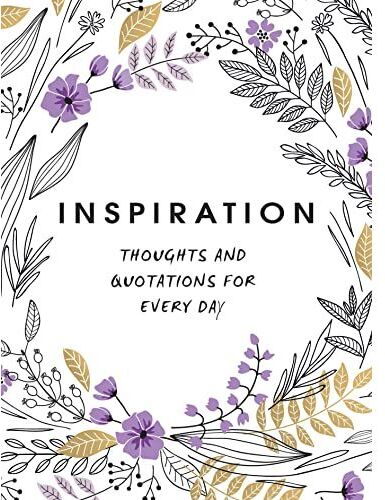
Summersdale Publishers Inspiration: Thoughts and Quotations for Every DayImmerse yourself in the words of the world’s best writers, leaders and thinkers with this beautiful book of motivational words and quotes. Inspire your heart, free your mind, and bask in the glow of positive thinking.4,99 £*Shipping: 1,99 £Secure redirect to the provider
-
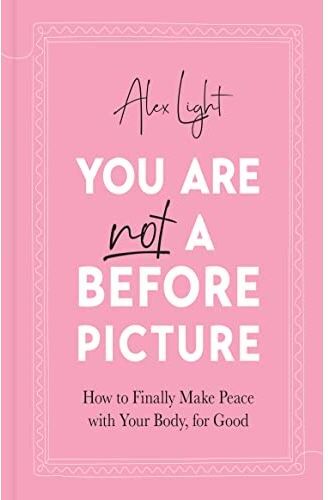
HQ You Are Not a Before Picture Book by Alex Light – Inspirational Guide to Self-Acceptance & Body PositivityAn urgent, enlightening and empowering guide to disavowing diet culture and learning to make peace with our bodies, from body confidence and anti-diet advocate, Alex Light. When we look in the mirror, so many of us see a 'before' picture: the miserable person in the side-by-side shot waiting for the 'glow-up' (read: weight loss) that will bring true happiness. But it's not our fault that we see our bodies as projects in need of constant work: this is just one of the beliefs that has been ingrained in us by diet culture. We have been taught to view ourselves as a collection of 'problem' areas for which the billion-dollar diet industry holds the solutions. Step-by-step, You Are Not A Before Picture provides a framework for changing the way we view ourselves and the world around us. Working with experts in the fields of psychotherapy, fitness and nutrition, Alex empowers readers to interrogate their underlying beliefs, challenge the external and internal forces that are holding us back, and finally find freedom in our bodies, for good. Alex Light was a number 4 Sunday Times Non Fiction bestseller in the w/e June 19th 202214,99 £*Shipping: 2,99 £Secure redirect to the provider

-
Are there different soul types or family archetypes?
Yes, some belief systems and spiritual practices suggest that there are different soul types or family archetypes. These can include concepts such as old souls, young souls, warrior souls, healer souls, and more. Each soul type is believed to have unique characteristics, purposes, and lessons to learn in their lifetime. Understanding these soul types or family archetypes can help individuals gain insight into their own spiritual journey and relationships with others. **
-
What is the difference between archetypes and stereotypes?
Archetypes are universal symbols or themes that represent shared human experiences and emotions, often found in literature, mythology, and art. They are timeless and can be interpreted in various ways. On the other hand, stereotypes are oversimplified and generalized beliefs about a particular group of people, often based on assumptions or prejudices. Stereotypes can be harmful as they limit individuals to a narrow set of characteristics, while archetypes are more complex and can be used to explore deeper aspects of the human psyche. **
-
How can images and pictures be used as archetypes?
Images and pictures can be used as archetypes by representing universal symbols and themes that are deeply ingrained in the human psyche. For example, a picture of a mother and child can evoke the archetype of nurturing and protection. Similarly, an image of a tree can symbolize growth, strength, and connection to the earth. By tapping into these archetypal images, artists and storytellers can convey powerful and resonant messages that transcend cultural and linguistic barriers. Additionally, these archetypal images can evoke strong emotional responses and connect with audiences on a subconscious level. **
-
How can the difference between the collective unconscious and archetypes be explained simply?
The collective unconscious is a concept introduced by Carl Jung, which refers to the shared reservoir of memories and experiences that all humans inherit. Archetypes, on the other hand, are universal symbols or themes that arise from the collective unconscious and are expressed in various cultures and individuals. In simpler terms, the collective unconscious is like a vast library of human experiences, while archetypes are the common themes or characters found within that library that appear in myths, stories, and dreams. **


How can the difference between the collective unconscious and the archetypes be explained simply?
The collective unconscious is a shared reservoir of memories and experiences that all humans inherit from their ancestors, while archetypes are universal symbols or themes that arise from the collective unconscious. In simpler terms, the collective unconscious is like a vast library of human experiences that we all have access to, while archetypes are the common patterns or characters that appear in myths, stories, and dreams. Essentially, the collective unconscious is the source, and archetypes are the recurring themes or symbols that emerge from it. **
How can the difference between the collective unconscious and the archetypes be simply explained?
The collective unconscious refers to the shared reservoir of memories, experiences, and images that are inherited from our ancestors and are common to all humans. It is a part of the unconscious mind that is shared by all people across cultures. On the other hand, archetypes are universal symbols and patterns that emerge from the collective unconscious. They are recurring themes or motifs that are present in myths, stories, and dreams and represent fundamental human experiences and emotions. In simple terms, the collective unconscious is the deep well of shared human experiences, while archetypes are the specific symbols and patterns that arise from this collective unconscious. **
Top-Angebote
Products related to Archetypes:
-
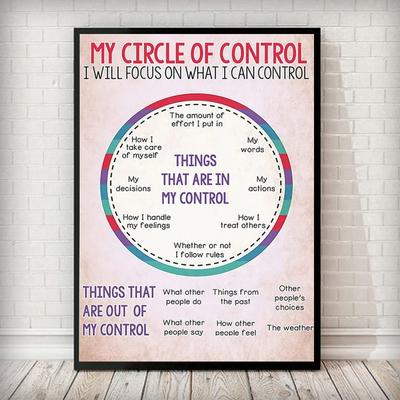
Uplifted Finds The Control Circle Archetype Social Worker Empowerment Canvas Executive Office & Wellness Sanctuary Decor 13 X 18 Cm No Frame"Inaugurate a grounding ""MindfulnessSanctuary"" energy in your environment with our ""Control Circle"" Archetype Canvas. This premium Social Worker and Mental Health professional print is the ultimate designer solution for creating a ""ClinicalModern"" or..."41,97 $*Shipping: 0,00 $Secure redirect to the provider
-
Juggernaut Publication Ankur Warikoo Collection – 2 Book Set Do Epic Shit & Get Epic Shit Done Self-Help, Success & Personal GrowthBuild better habits, make smarter decisions, and unlock your potential with the Ankur Warikoo Collection – 2 Book Set by entrepreneur, content creator, and bestselling author Ankur Warikoo. This inspiring collection includes: Do Epic Shit Get Epic Shit Done Do Epic Shit shares thought-provoking lessons on success, failure, money, habits, relationships, entrepreneurship, and self-awareness through concise, easy-to-read reflections. Get Epic Shit Done takes a practical approach, presenting answers to common life questions and encouraging readers to turn inspiration into action with clear, actionable advice. Whether you're a student, entrepreneur, young professional, or anyone seeking personal growth, this two-book collection offers valuable insights to help you develop confidence, improve productivity, and create lasting positive change. Why Readers Love This Collection: Includes 2 bestselling books by Ankur Warikoo Practical advice on success, habits, money, and mindset Inspires action through relatable real-life lessons Easy-to-read format with actionable insights Ideal for students, entrepreneurs, professionals, and aspiring leaders A motivating and practical collection, the Ankur Warikoo 2 Book Set is perfect for anyone looking to build better habits, think differently, and achieve personal and professional success.9,50 £*Shipping: 2,99 £Secure redirect to the provider
-
Pyrex Inspiration 35 x 22cm Rectangular RoasterThe Pyrex Inspiration Rectangular Roaster is made from high borosilicate glass that is thermal shock resistant up to 220°C. The geometric shape of the eye catching design features integrated handles ideal for serving oven baked meals and has a 10 year guarantee. This glass Roaster can store food in the fridge and freezer for easy food preparation. The Pyrex Inspiration Rectangular Roaster is 35 x 22cm.16,19 £*Shipping: 3,50 £Secure redirect to the provider
-
IT 4 Consultancy FZCO My Gratitude Journal: A happy mind and soul practice & promoted positivity and happinessEvery day, wonderful things happen! Noting them and recording them can help you to appreciate everything that is good in your life and feel grateful for it. That in turn makes you feel happy and positive. My gratitude Journal will help you to keep track of all the amazing, remarkable and truly gratifying things in your life.1,99 £*Shipping: 1,99 £Secure redirect to the provider
-
What are biblical archetypes?
Biblical archetypes are recurring symbols, characters, or themes found throughout the Bible that represent universal human experiences, emotions, or truths. These archetypes often serve as a model or pattern for understanding and interpreting the world and our own lives. Examples of biblical archetypes include the hero, the villain, the journey, the sacrifice, and the redemption, which can be found in various stories and characters throughout the Bible. These archetypes provide a framework for understanding the human condition and the spiritual journey. **
-
What are the archetypes of C.G. Jung?
C.G. Jung identified several archetypes that he believed were universal symbols or themes that appear in the collective unconscious of all people. Some of the key archetypes include the persona (the social mask we present to the world), the shadow (the darker, unconscious side of our personality), the anima/animus (the feminine and masculine aspects within each individual), the self (the striving for wholeness and integration), and the hero (the figure who overcomes challenges and achieves greatness). Jung believed that recognizing and integrating these archetypes into our consciousness could lead to personal growth and self-realization. **
-
Are there different soul types or family archetypes?
Yes, some belief systems and spiritual practices suggest that there are different soul types or family archetypes. These can include concepts such as old souls, young souls, warrior souls, healer souls, and more. Each soul type is believed to have unique characteristics, purposes, and lessons to learn in their lifetime. Understanding these soul types or family archetypes can help individuals gain insight into their own spiritual journey and relationships with others. **
-
What is the difference between archetypes and stereotypes?
Archetypes are universal symbols or themes that represent shared human experiences and emotions, often found in literature, mythology, and art. They are timeless and can be interpreted in various ways. On the other hand, stereotypes are oversimplified and generalized beliefs about a particular group of people, often based on assumptions or prejudices. Stereotypes can be harmful as they limit individuals to a narrow set of characteristics, while archetypes are more complex and can be used to explore deeper aspects of the human psyche. **
Similar search terms for Archetypes
-
Summersdale Publishers Inspiration: Thoughts and Quotations for Every DayImmerse yourself in the words of the world’s best writers, leaders and thinkers with this beautiful book of motivational words and quotes. Inspire your heart, free your mind, and bask in the glow of positive thinking.4,99 £*Shipping: 1,99 £Secure redirect to the provider
-
HQ You Are Not a Before Picture Book by Alex Light – Inspirational Guide to Self-Acceptance & Body PositivityAn urgent, enlightening and empowering guide to disavowing diet culture and learning to make peace with our bodies, from body confidence and anti-diet advocate, Alex Light. When we look in the mirror, so many of us see a 'before' picture: the miserable person in the side-by-side shot waiting for the 'glow-up' (read: weight loss) that will bring true happiness. But it's not our fault that we see our bodies as projects in need of constant work: this is just one of the beliefs that has been ingrained in us by diet culture. We have been taught to view ourselves as a collection of 'problem' areas for which the billion-dollar diet industry holds the solutions. Step-by-step, You Are Not A Before Picture provides a framework for changing the way we view ourselves and the world around us. Working with experts in the fields of psychotherapy, fitness and nutrition, Alex empowers readers to interrogate their underlying beliefs, challenge the external and internal forces that are holding us back, and finally find freedom in our bodies, for good. Alex Light was a number 4 Sunday Times Non Fiction bestseller in the w/e June 19th 202214,99 £*Shipping: 2,99 £Secure redirect to the provider
-
Uplift Essentials 8 Piece Professional Cat Grooming & Wellness Kit 8 Piece Professional Cat Grooming & Wellness KitMaster your pets hygiene at home with a comprehensive, salonquality toolset. This 8Piece Cat Beauty Kit is a professionalgrade collection designed to handle everything from daily deshedding and nail maintenance to deepcleaning baths. Featuring a...62,97 $*Shipping: 0,00 $Secure redirect to the provider
-
Addison Rugs Machine Washable Indoor/ Outdoor Desert Inspiration Chantille RugInvite the charm of a desert oasis into your living space with a beautiful depiction of tall cacti against abstract mountains and skies, perfectly suited for transitional decor.618,49 $*Shipping: 0,00 $Secure redirect to the provider
-
How can images and pictures be used as archetypes?
Images and pictures can be used as archetypes by representing universal symbols and themes that are deeply ingrained in the human psyche. For example, a picture of a mother and child can evoke the archetype of nurturing and protection. Similarly, an image of a tree can symbolize growth, strength, and connection to the earth. By tapping into these archetypal images, artists and storytellers can convey powerful and resonant messages that transcend cultural and linguistic barriers. Additionally, these archetypal images can evoke strong emotional responses and connect with audiences on a subconscious level. **
-
How can the difference between the collective unconscious and archetypes be explained simply?
The collective unconscious is a concept introduced by Carl Jung, which refers to the shared reservoir of memories and experiences that all humans inherit. Archetypes, on the other hand, are universal symbols or themes that arise from the collective unconscious and are expressed in various cultures and individuals. In simpler terms, the collective unconscious is like a vast library of human experiences, while archetypes are the common themes or characters found within that library that appear in myths, stories, and dreams. **
-
How can the difference between the collective unconscious and the archetypes be explained simply?
The collective unconscious is a shared reservoir of memories and experiences that all humans inherit from their ancestors, while archetypes are universal symbols or themes that arise from the collective unconscious. In simpler terms, the collective unconscious is like a vast library of human experiences that we all have access to, while archetypes are the common patterns or characters that appear in myths, stories, and dreams. Essentially, the collective unconscious is the source, and archetypes are the recurring themes or symbols that emerge from it. **
-
How can the difference between the collective unconscious and the archetypes be simply explained?
The collective unconscious refers to the shared reservoir of memories, experiences, and images that are inherited from our ancestors and are common to all humans. It is a part of the unconscious mind that is shared by all people across cultures. On the other hand, archetypes are universal symbols and patterns that emerge from the collective unconscious. They are recurring themes or motifs that are present in myths, stories, and dreams and represent fundamental human experiences and emotions. In simple terms, the collective unconscious is the deep well of shared human experiences, while archetypes are the specific symbols and patterns that arise from this collective unconscious. **
* All prices are inclusive of VAT and, if applicable, plus shipping costs. The offer information is based on the details provided by the respective shop and is updated through automated processes. Real-time updates do not occur, so deviations can occur in individual cases. ** Note: Parts of this content were created by AI.