Buy motivationmagazin.eu ?
We are moving the project
motivationmagazin.eu .
Are you interested in purchasing the domain
motivationmagazin.eu ?
domain@kv-gmbh.de · 0541-91531010
Buy motivationmagazin.eu ?
Which cells have chloroplasts?
Chloroplasts are found in plant cells and some algae cells. **
How are chloroplasts structured?
Chloroplasts are double-membrane organelles found in plant cells that contain their own DNA and ribosomes. They have a fluid-filled interior called the stroma, where the process of photosynthesis takes place. Within the stroma are stacks of thylakoid membranes called grana, which contain chlorophyll and other pigments that capture light energy. The thylakoid membranes are where the light-dependent reactions of photosynthesis occur, producing ATP and NADPH. Overall, the structure of chloroplasts is highly specialized for the process of photosynthesis, allowing plants to convert light energy into chemical energy. **

Similar search terms for Chloroplasts
Top-Angebote
Products related to Chloroplasts:
-
IT 4 Consultancy FZCO My Gratitude Journal: A happy mind and soul practice & promoted positivity and happinessEvery day, wonderful things happen! Noting them and recording them can help you to appreciate everything that is good in your life and feel grateful for it. That in turn makes you feel happy and positive. My gratitude Journal will help you to keep track of all the amazing, remarkable and truly gratifying things in your life.1,99 £*Shipping: 1,99 £Secure redirect to the provider
-
Uplift Essentials 8 Piece Professional Cat Grooming & Wellness Kit 8 Piece Professional Cat Grooming & Wellness KitMaster your pets hygiene at home with a comprehensive, salonquality toolset. This 8Piece Cat Beauty Kit is a professionalgrade collection designed to handle everything from daily deshedding and nail maintenance to deepcleaning baths. Featuring a...62,97 $*Shipping: 0,00 $Secure redirect to the provider
-
Summersdale Publishers Inspiration: Thoughts and Quotations for Every DayImmerse yourself in the words of the world’s best writers, leaders and thinkers with this beautiful book of motivational words and quotes. Inspire your heart, free your mind, and bask in the glow of positive thinking.4,99 £*Shipping: 1,99 £Secure redirect to the provider
-
HQ You Are Not a Before Picture Book by Alex Light – Inspirational Guide to Self-Acceptance & Body PositivityAn urgent, enlightening and empowering guide to disavowing diet culture and learning to make peace with our bodies, from body confidence and anti-diet advocate, Alex Light. When we look in the mirror, so many of us see a 'before' picture: the miserable person in the side-by-side shot waiting for the 'glow-up' (read: weight loss) that will bring true happiness. But it's not our fault that we see our bodies as projects in need of constant work: this is just one of the beliefs that has been ingrained in us by diet culture. We have been taught to view ourselves as a collection of 'problem' areas for which the billion-dollar diet industry holds the solutions. Step-by-step, You Are Not A Before Picture provides a framework for changing the way we view ourselves and the world around us. Working with experts in the fields of psychotherapy, fitness and nutrition, Alex empowers readers to interrogate their underlying beliefs, challenge the external and internal forces that are holding us back, and finally find freedom in our bodies, for good. Alex Light was a number 4 Sunday Times Non Fiction bestseller in the w/e June 19th 202214,99 £*Shipping: 2,99 £Secure redirect to the provider




-
What are mitochondria and chloroplasts?
Mitochondria are membrane-bound organelles found in the cells of eukaryotic organisms, responsible for producing energy in the form of ATP through cellular respiration. They have their own DNA and are thought to have originated from ancient bacteria through endosymbiosis. Chloroplasts are also membrane-bound organelles found in plant cells and some protists, responsible for photosynthesis, the process by which they convert sunlight into energy-rich molecules like glucose. Like mitochondria, chloroplasts also have their own DNA and are believed to have originated from ancient photosynthetic bacteria through endosymbiosis. **
-
Can humans also have chloroplasts?
No, humans cannot have chloroplasts. Chloroplasts are organelles found in plant cells that are responsible for photosynthesis, the process by which plants convert sunlight into energy. Humans do not have chloroplasts because they do not undergo photosynthesis. Instead, humans rely on the consumption of plants and other organisms to obtain the energy they need for survival. **
-
How are chloroplasts and plastids formed?
Chloroplasts and plastids are formed through a process called biogenesis, which involves the replication of existing organelles. They are believed to have originated from endosymbiotic cyanobacteria that were engulfed by a eukaryotic cell. Over time, these cyanobacteria evolved into chloroplasts and plastids, developing a symbiotic relationship with the host cell. This process allowed for the transfer of genetic material between the organelles and the host cell, leading to the formation of chloroplasts and plastids as we know them today. **
-
What are the functions of chloroplasts?
Chloroplasts are the organelles responsible for photosynthesis in plant cells. Their main function is to capture light energy and convert it into chemical energy in the form of glucose, which serves as the primary source of energy for the plant. Chloroplasts also contain chlorophyll, the green pigment that gives plants their color and is essential for the absorption of light during photosynthesis. Additionally, chloroplasts are involved in the synthesis of other important molecules, such as amino acids and lipids, and play a role in the regulation of cellular metabolism. **


Why do chloroplasts have a double membrane?
Chloroplasts have a double membrane because they are believed to have originated from a process called endosymbiosis, where a eukaryotic cell engulfed a photosynthetic prokaryote. The double membrane likely represents the original prokaryotic cell's plasma membrane and the membrane of the vesicle that engulfed it. This double membrane structure helps protect the chloroplast's internal structures and allows for compartmentalization of different metabolic processes within the organelle. **
In which leaf cells are chloroplasts located?
Chloroplasts are located in the mesophyll cells of the leaf. Mesophyll cells are the main site of photosynthesis in the leaf, and they contain numerous chloroplasts, which are responsible for capturing light energy and converting it into chemical energy through the process of photosynthesis. The chloroplasts contain the pigment chlorophyll, which gives leaves their green color and is essential for the absorption of light energy. **
Top-Angebote
Products related to Chloroplasts:
-
Uplifted Finds The Control Circle Archetype Social Worker Empowerment Canvas Executive Office & Wellness Sanctuary Decor 13 X 18 Cm No Frame"Inaugurate a grounding ""MindfulnessSanctuary"" energy in your environment with our ""Control Circle"" Archetype Canvas. This premium Social Worker and Mental Health professional print is the ultimate designer solution for creating a ""ClinicalModern"" or..."41,97 $*Shipping: 0,00 $Secure redirect to the provider
-
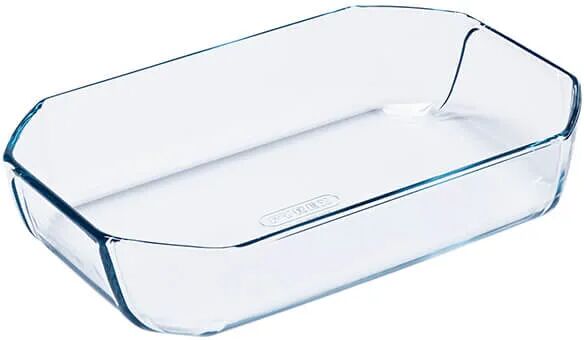
Pyrex Inspiration 35 x 22cm Rectangular RoasterThe Pyrex Inspiration Rectangular Roaster is made from high borosilicate glass that is thermal shock resistant up to 220°C. The geometric shape of the eye catching design features integrated handles ideal for serving oven baked meals and has a 10 year guarantee. This glass Roaster can store food in the fridge and freezer for easy food preparation. The Pyrex Inspiration Rectangular Roaster is 35 x 22cm.16,19 £*Shipping: 3,50 £Secure redirect to the provider
-
IT 4 Consultancy FZCO My Gratitude Journal: A happy mind and soul practice & promoted positivity and happinessEvery day, wonderful things happen! Noting them and recording them can help you to appreciate everything that is good in your life and feel grateful for it. That in turn makes you feel happy and positive. My gratitude Journal will help you to keep track of all the amazing, remarkable and truly gratifying things in your life.1,99 £*Shipping: 1,99 £Secure redirect to the provider
-
Uplift Essentials 8 Piece Professional Cat Grooming & Wellness Kit 8 Piece Professional Cat Grooming & Wellness KitMaster your pets hygiene at home with a comprehensive, salonquality toolset. This 8Piece Cat Beauty Kit is a professionalgrade collection designed to handle everything from daily deshedding and nail maintenance to deepcleaning baths. Featuring a...62,97 $*Shipping: 0,00 $Secure redirect to the provider
-
Which cells have chloroplasts?
Chloroplasts are found in plant cells and some algae cells. **
-
How are chloroplasts structured?
Chloroplasts are double-membrane organelles found in plant cells that contain their own DNA and ribosomes. They have a fluid-filled interior called the stroma, where the process of photosynthesis takes place. Within the stroma are stacks of thylakoid membranes called grana, which contain chlorophyll and other pigments that capture light energy. The thylakoid membranes are where the light-dependent reactions of photosynthesis occur, producing ATP and NADPH. Overall, the structure of chloroplasts is highly specialized for the process of photosynthesis, allowing plants to convert light energy into chemical energy. **
-
What are mitochondria and chloroplasts?
Mitochondria are membrane-bound organelles found in the cells of eukaryotic organisms, responsible for producing energy in the form of ATP through cellular respiration. They have their own DNA and are thought to have originated from ancient bacteria through endosymbiosis. Chloroplasts are also membrane-bound organelles found in plant cells and some protists, responsible for photosynthesis, the process by which they convert sunlight into energy-rich molecules like glucose. Like mitochondria, chloroplasts also have their own DNA and are believed to have originated from ancient photosynthetic bacteria through endosymbiosis. **
-
Can humans also have chloroplasts?
No, humans cannot have chloroplasts. Chloroplasts are organelles found in plant cells that are responsible for photosynthesis, the process by which plants convert sunlight into energy. Humans do not have chloroplasts because they do not undergo photosynthesis. Instead, humans rely on the consumption of plants and other organisms to obtain the energy they need for survival. **
Similar search terms for Chloroplasts
-
Summersdale Publishers Inspiration: Thoughts and Quotations for Every DayImmerse yourself in the words of the world’s best writers, leaders and thinkers with this beautiful book of motivational words and quotes. Inspire your heart, free your mind, and bask in the glow of positive thinking.4,99 £*Shipping: 1,99 £Secure redirect to the provider
-
HQ You Are Not a Before Picture Book by Alex Light – Inspirational Guide to Self-Acceptance & Body PositivityAn urgent, enlightening and empowering guide to disavowing diet culture and learning to make peace with our bodies, from body confidence and anti-diet advocate, Alex Light. When we look in the mirror, so many of us see a 'before' picture: the miserable person in the side-by-side shot waiting for the 'glow-up' (read: weight loss) that will bring true happiness. But it's not our fault that we see our bodies as projects in need of constant work: this is just one of the beliefs that has been ingrained in us by diet culture. We have been taught to view ourselves as a collection of 'problem' areas for which the billion-dollar diet industry holds the solutions. Step-by-step, You Are Not A Before Picture provides a framework for changing the way we view ourselves and the world around us. Working with experts in the fields of psychotherapy, fitness and nutrition, Alex empowers readers to interrogate their underlying beliefs, challenge the external and internal forces that are holding us back, and finally find freedom in our bodies, for good. Alex Light was a number 4 Sunday Times Non Fiction bestseller in the w/e June 19th 202214,99 £*Shipping: 2,99 £Secure redirect to the provider
-
Beauty Works Winter Wellness (Worth £41.98)Restore and revive your hair with the Beauty Works Winter Wellness Gift Set. Featuring Beauty Works Restore Mask, Argan Serum, Towel Turban, and Scalp Massager for ultimate hydration, shine, and relaxation. Perfect for winter hair care! This set includes: Restore Mask 250ml: Revive dry, dehydrated hair in just 10 minutes. This Beauty Works Restore Mask in 250ml is a must have addition to your haircare routine - if you're looking for a fast acting treatment that rejuvenates and hydrates your locks then you've found it! Argan Serum 90ml: A hair oil that will have you coming back for more... Healthy looking and feeling hair in seconds, the Beauty Works Argan Oil Serum 90ml has been specially formulated to rejuvenate your locks whenever you need. Towel Turban Scalp Massager Ingredients Aqua [Water], Cetearyl alcohol, Propylene glycol, Behentrimonium chloride, Cetyl esters, Glyceryl stearate, Paraffin, Amodimethicone, Phenyl trimethicone, Sesamum indicum (Sesame) seed oil, Copernicia cerifera cera [Copernicia cerifera (Carnauba) wax], Glycerin, Parfum [Fragrance], Phenoxyethanol, Euphorbia cerifera cera [Euphorbia cerifera (Candelilla) wax], PEG-40/PPG-8 methylaminopropyl/Hydroxypropyl dimethicone copolymer, Lactic acid, PEG-8, Trideceth-10, Dipropylene glycol, Cetrimonium chloride, Hexyl cinnamal, Hydrolyzed Verbascum Thapsus Flower, Hydrolyzed chestnut extract, Hydrolyzed walnut extract, Linalool, PEG-8/SMDI copolymer, Palmitoyl myristyl serinate, Sodium polyacrylate, Citric acid, Methylchloroisothiazolinone, Methylisothiazolinone, Sodium benzoate, Potassium sorbate Cyclopentasiloxane, Dimethiconol, C13-14 isoparaffin, Alcohol denat., Parfum [Fragrance], Argania spinosa kernel oil, Methyl hydrogenated rosinate, Hexyl cinnamal, Citronellol, CI 47000 [Yellow 11], CI 26100 [Red 17]24,50 £*Shipping: 0,00 £Secure redirect to the provider
-
La Biosthetique SPA - Wellness Soap 150mlA special treat for the hands, this soap bar produces a pleasantly delicate foam that gently caresses the skin on the face and body when it comes into contact with water. Natural plant oils form the basis of this Wellness Soap. They have an oil replenishing effect that helps to avoid tightness and prevents skin from drying out. Shea butter from certified organic cultivation leaves the skin feeling pleasantly cared for and incredibly soft. Glycerine, a natural component of the skins own hydrolipid mantle binds moisture in the top layers of skin, preventing trans epidermal water loss. The cleansed skin is gently conditioned, soft and emanates the both warm and fresh scent of a composition of green lime, basil, lemongrass and pink pepper, which lingers in a sensuous combination of vanilla and woody cedar. Ingredients: SODIUM PALMATE, SODIUM PALM KERNELATE, AQUA (WATER), PARFUM (FRAGRANCE), GLYCERIN, BUTYROSPERMUM PARKII (SHEA) BUTTER, SODIUM CHLORIDE, TETRASODIUM EDTA, TETRASODIUM ETIDRONATE, LIMONENE, COUMARIN, CITRAL23,50 £*Shipping: 2,95 £Secure redirect to the provider
-
How are chloroplasts and plastids formed?
Chloroplasts and plastids are formed through a process called biogenesis, which involves the replication of existing organelles. They are believed to have originated from endosymbiotic cyanobacteria that were engulfed by a eukaryotic cell. Over time, these cyanobacteria evolved into chloroplasts and plastids, developing a symbiotic relationship with the host cell. This process allowed for the transfer of genetic material between the organelles and the host cell, leading to the formation of chloroplasts and plastids as we know them today. **
-
What are the functions of chloroplasts?
Chloroplasts are the organelles responsible for photosynthesis in plant cells. Their main function is to capture light energy and convert it into chemical energy in the form of glucose, which serves as the primary source of energy for the plant. Chloroplasts also contain chlorophyll, the green pigment that gives plants their color and is essential for the absorption of light during photosynthesis. Additionally, chloroplasts are involved in the synthesis of other important molecules, such as amino acids and lipids, and play a role in the regulation of cellular metabolism. **
-
Why do chloroplasts have a double membrane?
Chloroplasts have a double membrane because they are believed to have originated from a process called endosymbiosis, where a eukaryotic cell engulfed a photosynthetic prokaryote. The double membrane likely represents the original prokaryotic cell's plasma membrane and the membrane of the vesicle that engulfed it. This double membrane structure helps protect the chloroplast's internal structures and allows for compartmentalization of different metabolic processes within the organelle. **
-
In which leaf cells are chloroplasts located?
Chloroplasts are located in the mesophyll cells of the leaf. Mesophyll cells are the main site of photosynthesis in the leaf, and they contain numerous chloroplasts, which are responsible for capturing light energy and converting it into chemical energy through the process of photosynthesis. The chloroplasts contain the pigment chlorophyll, which gives leaves their green color and is essential for the absorption of light energy. **
* All prices are inclusive of VAT and, if applicable, plus shipping costs. The offer information is based on the details provided by the respective shop and is updated through automated processes. Real-time updates do not occur, so deviations can occur in individual cases. ** Note: Parts of this content were created by AI.